Amazonian Mushroom, Exploring Its Origins and Significance
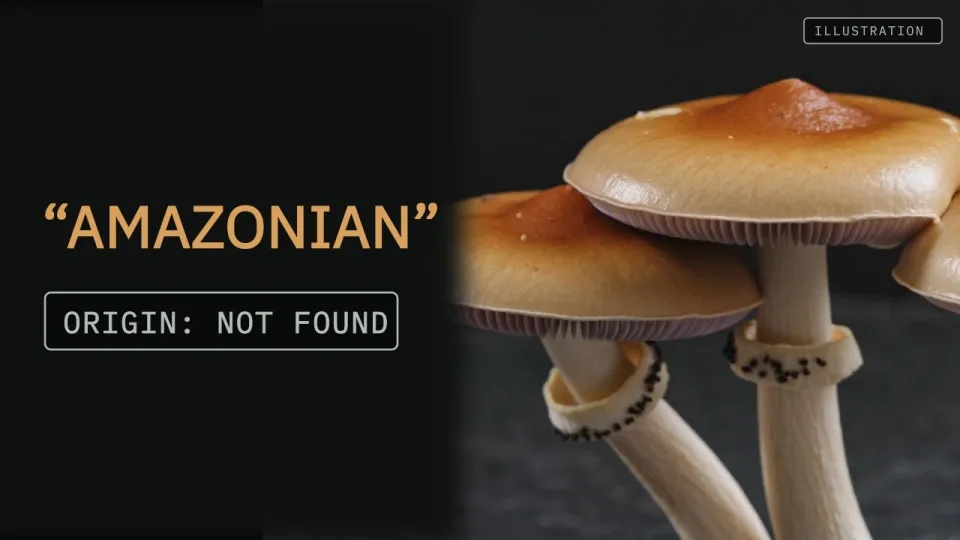
Video: Amazonian Mushroom: Following the Paper Trail Behind the Name
· based on the channel Shroomverse
Key takeaways
- The term 'Amazonian mushroom' originates from specimens collected in the Amazon rainforest.
- Scientific classification of the Amazonian mushroom has been historically complex and debated.
- Early research papers traced the name through various mycological studies and field reports.
- The mushroom holds cultural and ethnobotanical significance among Amazonian indigenous communities.
- Shroomverse provides a detailed paper trail that clarifies misconceptions about the mushroom’s identity.
The Amazonian mushroom refers to a group of psychedelic fungi originally collected from the Amazon rainforest region. This name has been widely used in both scientific literature and popular culture, but its exact origin and classification have often been confused or misrepresented. Understanding the Amazonian mushroom involves tracing the scientific papers and field studies that first documented these fungi and exploring their cultural context.
The Origin of the Amazonian Mushroom Name
The name "Amazonian mushroom" was first linked to specimens collected in the Amazon basin, particularly in areas of Peru and Brazil. Early mycologists assigned this name based on the geographic location and unique characteristics of the mushrooms found there. These mushrooms are notable for their psychoactive properties, primarily due to the presence of psilocybin and psilocin compounds 04:12. The name stuck as it was featured in ethnobotanical surveys and scientific descriptions dating back several decades.
Scientific Classification and Challenges
Classifying the Amazonian mushroom has been challenging due to the diversity of species found in the region and the morphological similarities between them. The genus _Psilocybe_ includes many species of psychedelic mushrooms, and several species within this genus have been identified in the Amazon. However, confusion arises because the term "Amazonian mushroom" is often used loosely to describe multiple species rather than a single taxon. Key species associated with the Amazonian label include _Psilocybe amazonensis_ and others closely related to _Psilocybe cubensis_ 07:34.
Tracing the Paper Trail
The video "Amazonian Mushroom: Following the Paper Trail Behind the Name" from Shroomverse meticulously follows the academic and ethnobotanical literature that documents the discovery and naming of the Amazonian mushroom. This includes original field notes, herbarium records, and published papers that provide historical context and correct misattributions. For example, some early papers mistakenly conflated Amazonian specimens with similar mushrooms from other regions, but later taxonomic revisions clarified these errors 12:50. This trail helps to understand how the mushroom’s name was popularized and how its scientific identity evolved.
Cultural and Ethnobotanical Importance
The Amazonian mushroom holds significant cultural value among indigenous peoples of the Amazon. These mushrooms have been used in traditional ceremonies and spiritual practices for centuries, often as a tool for healing and divination. Ethnographic studies highlight how local names and uses differ but share a common reverence for the mushroom’s psychoactive effects. This cultural backdrop enriches the scientific narrative, emphasizing that the Amazonian mushroom is not just a biological specimen but a part of living traditions 16:20.
Modern Relevance and Research
Today, the Amazonian mushroom continues to attract attention from both mycologists and psychonauts. Its unique chemical profile and ecological niche in the rainforest make it an interesting subject for ongoing research. Scientists are studying its genetics, biochemistry, and potential therapeutic uses, while also respecting the cultural heritage attached to it. The Shroomverse video provides a comprehensive overview that bridges historical, scientific, and cultural perspectives, offering a clearer understanding of what the Amazonian mushroom truly represents 20:45.
Conclusion
The Amazonian mushroom is a complex and fascinating subject that blends taxonomy, history, and culture. By following the paper trail behind the name, we gain a clearer picture of its origin, classification challenges, and indigenous significance. The Shroomverse channel offers an invaluable resource for anyone interested in the deeper story behind these remarkable fungi. This exploration not only clarifies scientific confusion but also honors the traditional knowledge surrounding the Amazonian mushroom.
Questions & answers
What is the Amazonian mushroom?
The Amazonian mushroom is a term used for certain psychedelic mushrooms native to the Amazon rainforest, known for their psilocybin content and cultural significance among indigenous peoples.
Why is the classification of the Amazonian mushroom complicated?
Classification is complicated due to the diversity of similar species in the Amazon region and historical misidentifications in scientific literature, leading to confusion over which species the name refers to.
How did the name 'Amazonian mushroom' become popular?
The name originated from early mycological collections and ethnobotanical studies in the Amazon, and it gained popularity through scientific papers and cultural references over time.
What cultural importance does the Amazonian mushroom have?
It has been used traditionally in Amazonian indigenous ceremonies for healing and spiritual purposes, highlighting its role beyond just a biological entity to a culturally significant organism.
Source: Amazonian Mushroom: Following the Paper Trail Behind the Name · Markdown version